Description
This forum is reserved for posting of technical questions and answers related to genealogical research. Appropriate topics include discussions re: sources, document formats, paleography, etc.

Presentación — Mi investigación sobre la familia De la Torre de Los Altos de Jalisco

Hola a todos los miembros de Nuestros Ranchos:

Mi nombre es Alfonso de la Torre Robledo y les escribo desde La Paz, Baja California Sur, México. Agradezco a Joseph Puentes y a los administradores la bienvenida y la preparación de mi carpeta personal para compartir materiales genealógicos.

Investigo mi línea paterna De la Torre, vinculada con San Juan de los Lagos, Jalostotitlán y Tepatitlán. He reunido registros históricos e imágenes de documentos originales que me han permitido reconstruirla hasta el siglo XVII. Algunos vínculos cuentan con declaraciones expresas de parentesco y otros se sostienen por la convergencia de varios documentos.

Comparto esta parte de mi línea, desde Fausto de la Torre hacia las generaciones anteriores:

  1. Fausto de la Torre, con María Amparo de la Torre.
  2. Severiano de los Ángeles de la Torre González, con María Refugio Romo; fallecido en 1904 en San Juan de los Lagos.
  3. Mariano de la Torre, casado con Juana Nepomucena González en 1829, en San Juan de los Lagos.
  4. Esteban

Padres de Clemente de la Torre y Ledesma (C1), esposo de Beatriz: solicitud de documentos

A toda la comunidad de Nuestros Ranchos:

Estamos investigando quiénes fueron los padres de Clemente de la Torre y Ledesma, esposo de Beatriz Ramírez, también identificada como Beatriz de Tavera, en nuestra línea paterna de Los Altos de Jalisco. Lo llamamos C1 para distinguirlo de otros Clementes de la misma rama.

Juan de Ledesma Mexía e Isabel (Ysavel) González aparecen únicamente como POSIBLES PADRES, SIN COMPROBAR Y EN INVESTIGACIÓN. No presentamos esa filiación como un hecho confirmado.

Si tienen cualquier lazo familiar, rama de investigación o documentos relacionados con Clemente, Beatriz, Isabel o Juan, agradeceremos cualquier aportación que ayude a confirmar o descartar esta hipótesis, o a identificar otros padres candidatos.

Nos interesan especialmente bautismos, matrimonios, defunciones, testamentos, protocolos notariales, dispensas o particiones de bienes que expresen el parentesco. También pueden servir documentos de hermanos, hijos u otros parientes si nombran a Clemente o

Juan de Orozco-Inés Pantoja (1600s - Michoacán)

Hello,

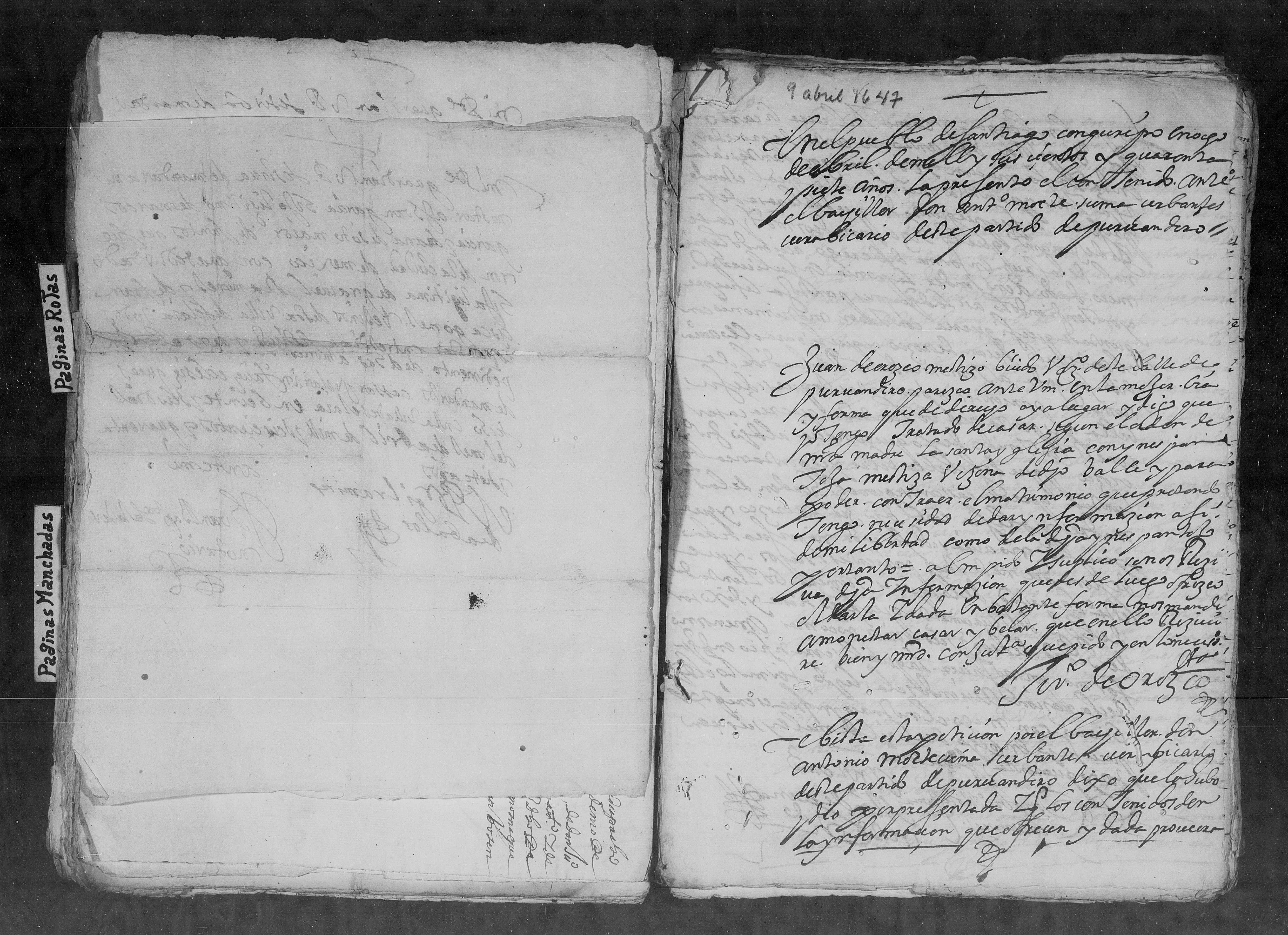
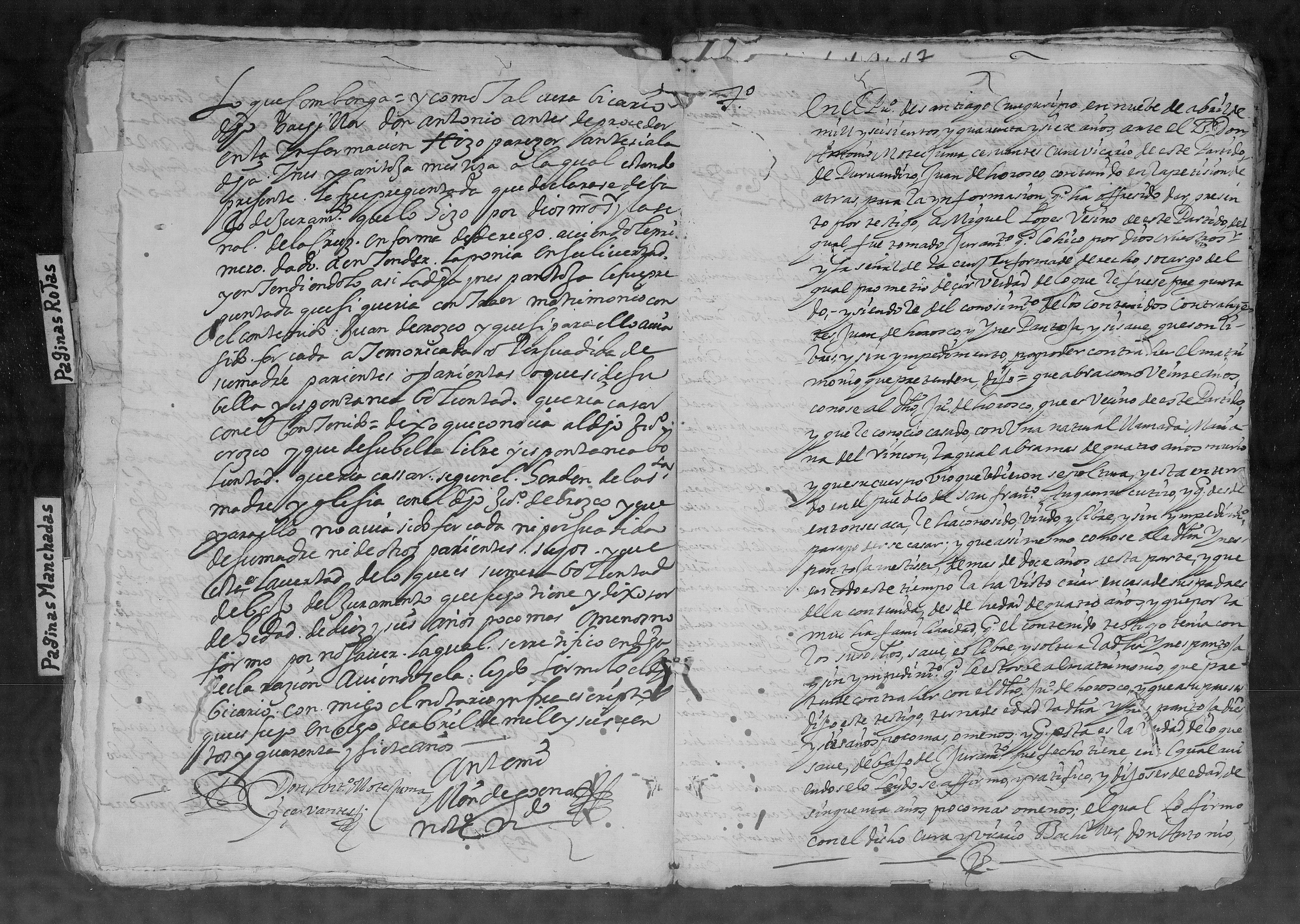
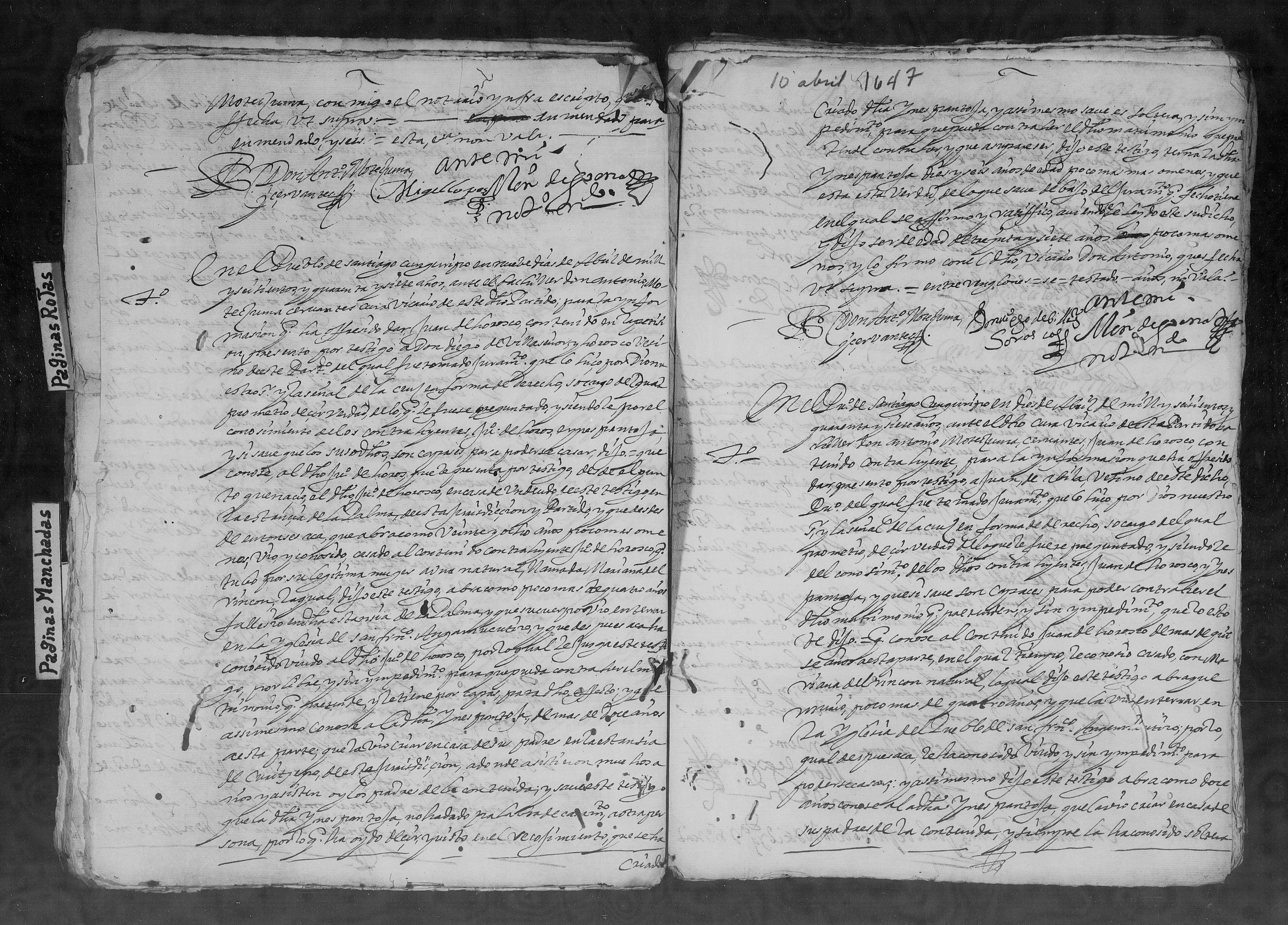
I'm trying to verify whether Juan de Orozco is a descendant of the Villaseñor family. I am also trying to find his wife's, (Inés Pantoja),  parents. They were married in 1647 in Puruándiro, Michoacan.  One of the witnesses for their marriage investigation is Don Diego de Villaseñor y Orozco. Does anyone have any information on either of these people?  I've attached the marriage investigation. Thank you in advance.

On the Ruiz de Chávez-Villaseñor relationship

The Villaseñor surname was used by members of the Ruiz de Chávez family and their descendants during the XVIIth century. This had been done first by the children of Andrés Ruiz de Chávez and María de Ábrego y Castilleja, these were all born in the first half of that century. One of the children of this couple was in fact named "Juan de Villaseñor", just like the Villaseñor's lineage founder. 

The origin of the use of "Villaseñor" seemed at first to be through Andrés Ruiz de Chávez ancestry, this being because of his mother Leonor's second surname which was "Corona", some genealogists interpreted this surname as being one of the variations used by the children of Juan de Villaseñor II and his wife Catalina Corona, their children used interchangeably the surnames "Villaseñor", "Cervantes" and "Corona", therefore it was thought that maybe she could've been a granddaughter of these two and thus some cited her as having been "Leonor de Chávez Corona de Villaseñor" despite in life only being

Ana de Quesada m. Miguel Hernández Rubio

Recently I posted about the three women named Ana de Quesada who were living in Lagos during roughly the same period.

One of these women was Ana de Quesada, who married Miguel Hernández Rubio in 1632. A WikiTree listing proposes that this Ana de Quesada may possibly have been the daughter of Juan López de Lizalde and Ana de Quesada. I assume this identification was based on her using the name “Ana Mendoza” in her daughter's parish marriage record.

I later posted a reply to my own message with an update after finding a possible candidate for this Ana de Quesada.

A Lagos burial record states:

4 Jan 1628: "died Diego Hurtado, son of Pedro Hurtado, vecino del Fresnillo, husband of Ana de Quesada, daughter of the elder Alonso de Quesada."

It establishes that Alonso de Quesada and, probably, Juana Bautista Hernández de Arellano had a daughter named Ana de Quesada.

This record also establishes that she was widowed in 1628, approximately four years before the marriage of Ana de Quesada (also known

Los primeros pobladores de Santa María de los Lagos

Dear colleagues,

I would like to share my latest historical study: "Los primeros pobladores de Santa María de los Lagos: una aproximación histórica a través de sus listados más antiguos" (The First Settlers of Santa María de los Lagos: A Historical Approach Through Its Earliest Records).

Using a prosopographical framework based on 16th and early 17th-century primary sources, including original registers, Cabildo memorials, and early censuses, this paper traces the rapid transformation of Santa María de los Lagos from a frontier defense outpost during the Chichimeca War into a consolidated landowning elite.

The research highlights the central role of matrilineages and marriage networks in preserving territorial holdings, alongside a quantitative reconstruction of the settlement's U-shaped demographic trajectory during its first four decades.

Los primeros pobladores de Santa María de los Lagos : Erik Andrés Reynoso y Márquez : Free Download, Borrow, and Streaming : Internet Archive

Best

Comments

Comment

Dear Travis,

Thank you for your message and your interest in the study! I am always pleased when the work proves useful to fellow researchers.

The published material contains the full scope of my findings on the subject including the documents that were used to make the study. While my current schedule prevents me from taking on extensive follow-up questions or custom analysis, I hope the documented information serve as a helpful roadmap for your further exploration.

Best regards,

Erik

Comment

Hello Erik,

Thank you for sharing your historical study.

I have spent much of the past few hours attempting to read and translate various passages. I am sure I will have many questions once I have had a chance to digest all of this information.

Thank you again for sharing your work. I greatly appreciate it.

Best regards,

Travis

Ortiz de Pantoja

Estimados colegas:

El día de ayer retomé la investigación sobre un linaje que había dejado en el tintero tras el fallecimiento de mi querido tío Paco Castaños y Cañedo: los Morelos.

Como indicó Paco en sus obras, la cabeza de este linaje en Michoacán es Tomás de Santoyo, vecino de Celaya (también conocido como Tomás de Morelos), registrado como hijo de padres no conocidos, aunque posteriormente se ha argumentado que era hijo natural del regidor Hipólito de Santoyo y de la viuda Gertrudis Morelos (Morelia. Informaciones matrimoniales 1706). En su información matrimonial se consigna que su esposa, Teresa Ortiz de Pantoja, era hija de Francisco Ortiz de Pantoja y de Mariana Ramos de Rojas.

Gracias a las magníficas investigaciones de Héctor Félix Aizcorbe, que tuve el gusto de leer ayer en este foro, hoy sabemos que Francisco Ortiz de Pantoja era hijo del regidor Francisco Ortiz de Pantoja y de Juana García de León. Por su parte, los padres de Mariana Ramos de Rojas fueron Miguel Rico de

Triple Proof of Hidalguía: The Rarity of Three Pruebas Plenas and Contemporary Nobility Recognition in the Reinoso Family

The Legal Significance of Three Pruebas Plenas in Hispanic Nobiliary Law: The Case of the Reinoso Lineage

In the legal tradition of the Crown of Castile and the wider Iberian Peninsula, demonstrating hidalguía (blood nobility) required navigating a complex system of evidence under the jurisdiction of the Salas de los Hijosdalgo within the Reales Chancillerías (Valladolid and Granada).

Within Spanish nobiliary law (Derecho Nobiliario), proof of status fell broadly into two categories:

  1. Tres Actos Positivos (Presumptive Proof): In the absence of definitive judicial sentences, a family could establish noble status by presenting evidence of three consecutive generations exercising privileges exclusive to the noble estate, such as exemption from pechos (personal taxes), holding offices restricted to hidalgos, or serving in military campaigns. While legally valid, actos positivos represented administrative recognition rather than a definitive judicial ruling.
  2. Prueba Plena (Full Judicial Proof): A

Maria Carrillo Davila - Secret Child

I want to share this finding. It's a story about Maria Carrillo Davila found in: Matrimonios 1690-1695, 1707, 1709 Page 566.
It is the marriage of Joseph Ramon and Josepha Cid Caldera. Marriage dispensation requested February 7, 1690, in Xerez, Zacatecas.
Dispensation for fourth-degree consanguinity.—
Joseph Román, resident of the City of Zacatecas, son of unknown parents, having been abandoned at the home of Don Joseph Román de Cabrera; with Josepha Sid, a 19-year-old Spaniard born and raised in the Villa de Xerez de la Frontera;
parents: Pedro Sid Caldera (Spaniard Josepha Sid; and Juana Rosales).
The prospective groom was informed of the kinship and asked that the matter be kept secret, given that Doña María Carrillo de Avila—who is said to have been his mother and is now deceased—had been a woman of high social standing and had been married to a prominent man who is still alive.
Declaration of Doña María de Arellano, a 50-year-old Spaniard and widow of Captain Don Pedro Carrillo Dávila:
S

Comments

Comment

Hello Cynthia,

Thank you for sharing this information. I'm not decended to any of the parties mentioned in the dispensa you cited, but I do love hearing these sordid and interesting tales from yesteryear.

At a recent family gathering, we entertained everyone with stories about distant ancestors and relatives, including the lecherous Sebastián Pérez, Beatriz de Padilla's entanglement with the Inquisition, and the romance across the social divide between José Moreno de Ortega and Petrolina Ramírez.

I never would have known about these stories if it weren't for this forum.

So please, keep them coming!

Thank you,

Travis

I need some clarity on Gómez Dispensas Confusion

Hello all!

I'm trying to untangle the relationship between three individuals: Joaquín Gómez, Gertrudis Gómez, and Antonio Gómez. WikiTree currently presents them as siblings—the children of an Unknown Gómez. The proposed relationships appear to be based primarily upon two dispensas from 1798 and 1780.

Gertrudis Gómez appears in both dispensas.

The first dispensa, dated November 1798, concerns the marriage of José Mariano Ysas and María Francisca Gómez. It gives the following relationships:

Gertrudis Gómez, hermana de Antonio Gómez
José Ysas, primo hermano de Gregorio Gómez
Andrés Ysas, primo segundo de Vicente Gómez
Pretenso José Mariano Ysas, primo tercero de María Francisca Gómez

The Gertrudis Gómez mentioned here is identified as the Gertrudis Gómez who married Ignacio de Isassi sometime before the 8 May 1710 baptism of their first documented child, Juan Antonio de Isassi.

Her purported brother, Antonio Gómez, is identified as Antonio Gómez, son of Gaspar Gómez and Magdalena de Gutiérrez AKA